The Truth About Fishin' Frenzy «Scams» and How to Play the Real Thing
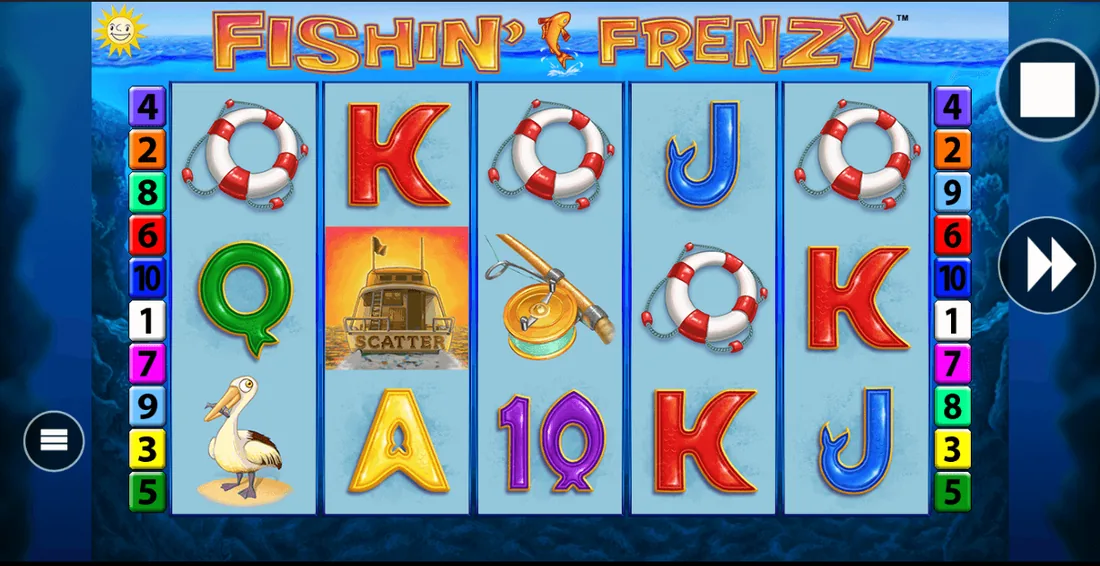
Short answer: the game itself isn't a scam. Fishin' Frenzy is a legitimate slot from Blueprint Gaming, licensed and audited, available on dozens of UKGC-regulated sites. The maths is transparent, the outcomes are random, and your winnings are yours—tax-free.
What is a scam? The ecosystem around it. Fake mobile apps that steal your card details. Influencers pushing unlicensed casinos through affiliate links. Deepfake videos of celebrities «winning» £50,000 jackpots. Photoshopped screenshots on TikTok. Cloned versions of the game with rigged reels. If you've seen something that looks too good to be true, you're probably looking at bait, not the real Blueprint slot.
Where the Real Game Lives (and Where It Doesn't)
Fishin' Frenzy exists in exactly one form: a browser-based or mobile-optimised slot from Blueprint Gaming, hosted on casino sites licensed by the UK Gambling Commission. You'll find it at operators like Buzz Bingo, Gala, or Sky Vegas—all carrying a UKGC licence number in the footer that you can cross-check in the public register.
You won't find it as a standalone app on Google Play or the App Store. Blueprint doesn't publish downloadable APKs. Any «Fishin' Frenzy» app is either a clone that doesn't pay out, or worse—a credential harvester dressed up as a game. The legitimate way to play on mobile is through a casino's web app or native app, never a game-specific download.
The same goes for sites without a visible UKGC licence. If the footer shows a Curaçao or Malta Gaming Authority badge instead—or no regulator at all—it's illegal to market here, and you've got zero consumer protection. Your deposits might vanish, your withdrawals might stall indefinitely, and there's no ombudsman to escalate to. GAMSTOP doesn't block those sites either, which is how problem gamblers end up there after self-excluding.
The 60-Second Fake Detector
Here's how to tell real from fake before you hand over a penny:
- Check the footer for a UKGC licence number—it's a long alphanumeric string, usually starting with 000- and then five digits. Copy it and paste it into the Commission's register search. If the operator isn't listed, or the number doesn't match, close the tab.
- Look for the stake cap. UKGC sites enforce a £5.00 maximum per spin across all slots, dropping to £2.00 if you're aged 18–24 and they've verified your age. If you can stake £10 or £50, you're not on a licensed site.
- Try to register. Legal operators run age and identity checks before you deposit—sometimes instantly via credit reference, sometimes by asking for documents. If you can fund an account without any verification, that's a red flag.
- Search for GAMSTOP integration. Every UKGC site must honour self-exclusions. If there's no mention of it in the Safer Gambling section, or the registration form doesn't ask if you're excluded, you're looking at an unlicensed operator.
- Check payment methods. Credit cards have been banned for UK gambling since 2020. If the cashier offers Visa Credit or Mastercard Credit, you're either on an offshore site or they're breaking the law.
- Watch for affordability checks. Operators now trigger soft checks from £150 in net deposits a month, using credit-reference data. If you're depositing hundreds without a single question, the site isn't following the rules.
Why It Feels Rigged (But Probably Isn't)
The game runs on a random number generator certified by independent test houses—usually GLI or eCOGRA, though Blueprint's audits aren't always public-facing. The UKGC requires operators to prove that RTPs match what's advertised and that outcomes are genuinely random. If you're playing on a licensed site, the maths is sound.
What throws people is variance. Fishin' Frenzy is medium-to-high volatility, which means long dry spells followed by occasional larger hits. The free-spins feature—where the fisherman collects prizes from fish symbols—can pay well, but the base game is designed to drain your balance slowly until you trigger it. That's not rigging; it's the slot's payline and multiplier structure doing exactly what it's supposed to.
If you're hitting a dead run, it's variance. If you're on an unlicensed clone, though, the RNG might be weighted or the RTP artificially lowered. There's no audit trail, no regulator to complain to, and the game might look identical to the real one. That's why checking the licence matters—it's the only way to know the game is the one Blueprint certified.
Legal Play in the UK: What the Regulator Actually Does
The UK Gambling Commission sets the rules for every operator serving British players. That includes mandatory game testing, responsible-gambling tools, and strict advertising standards under the CAP codes—no appeal to under-18s, no misleading bonus claims, mandatory safer-gambling messaging in every ad.
Recent changes have tightened things further. The £5.00 stake cap was introduced to reduce slot-related harm, and the £2.00 cap for younger adults came in to protect the most at-risk cohort. Affordability checks—controversial among players but backed by harm-reduction research—now start from £150 in net deposits a month. Stage one uses credit-reference data; stage two asks for bank statements or payslips if you're depositing heavily.
Operators pay 40% Remote Gaming Duty on gross profits, a rate that went up in April to fund public services. For you, that means nothing—your winnings are tax-free, and the duty is baked into the operator's overheads. But it does mean some smaller sites have pulled out of the market, leaving fewer licensed options than a few years ago.
If you self-exclude via GAMSTOP, one registration blocks every UKGC-licensed site for six months to five years. It's permanent once you choose the duration, and there's no cooling-off period. If you need help, BeGambleAware offers free, confidential support—no judgement, no referral to treatment unless you ask for it.
The Bankroll Reality: What Actually Happens to Your £50
Let's say you deposit £50.00 and stake £1.00 per spin. At medium-to-high volatility, you might get 30–60 spins before you either hit a feature or drain the balance. If you trigger the free spins, you could collect £20–£100 from the fisherman feature—or you could get a low-value round that barely recoups the base-game losses.
The game's RTP sits around 96%, meaning over millions of spins, players collectively get back £96 for every £100 wagered. Your individual session can swing wildly from that average. A bad run might see you lose the £50.00 in ten minutes. A good run might see you hit a £200 feature and walk away up. Neither outcome says anything about whether the game is fair—it's variance, and it's baked into the design.
Chasing losses is where most players come unstuck. The feature doesn't become «due» just because you've had 200 dead spins. The RNG has no memory. Every spin is independent, and the probability of triggering the bonus is the same whether you've just won or just lost ten times in a row. If you're topping up repeatedly to chase a feature, you're falling into the trap the game's volatility creates.
Keeping It in Check Without the Lecture
You're 18 or older, and you're allowed to gamble—but the tools exist for a reason. Deposit limits let you cap what you can lose in a day, week, or month. Reality checks interrupt play every hour or whatever interval you set. Loss limits stop you once you've hit a threshold. Session timers kick you out after a set duration. Every UKGC site must offer all of these, and you can change them in your account settings.
If you're setting limits and then overriding them, or registering at multiple sites to get around your own caps, that's a signal. GAMSTOP is there for exactly that situation—one registration, every licensed operator blocked, no loopholes. It's not a failure to use it. It's common sense if gambling's stopped being entertainment and started being a problem.
The first withdrawal always takes longest because the operator has to verify your documents—usually 24–48 hours, sometimes longer if there's a queue. After that, Faster Payments withdrawals hit your bank in a few hours to two working days, e-wallets faster still. If a site stalls your payout for weeks, check the UKGC register—delayed withdrawals are a red flag for unlicensed operators who never intended to pay.
FAQ
Is Fishin' Frenzy rigged if I keep losing the free spins round?
No—it's variance. The game's certified RNG means every spin is independent and random. Medium-to-high volatility slots produce long losing streaks by design, balanced by occasional larger wins. If you're playing on a UKGC-licensed site, the maths is audited and fair. If you're on an unlicensed clone, all bets are off—there's no way to verify the RTP or RNG integrity.
Can I download a Fishin' Frenzy app to play on my phone?
No. Blueprint Gaming doesn't publish standalone apps. Any «Fishin' Frenzy» app on Google Play, the App Store, or an APK site is either a fake or a credential harvester. The only legitimate way to play on mobile is through a UKGC-licensed casino's web app or native app—never a game-specific download.
How do I know if a casino offering Fishin' Frenzy is legal in the UK?
Check the footer for a UKGC licence number—it's a long alphanumeric string you can verify in the Commission's public register. Look for the £5.00 stake cap (£2.00 if you're 18–24), GAMSTOP integration, and no credit card option in the cashier. If any of those are missing, the site isn't licensed here.
Why do some sites let me stake £10 or more per spin?
Because they're not UKGC-licensed. The £5.00 maximum is law for all slots on UK-facing sites, dropping to £2.00 for players aged 18–24. If you can stake higher amounts, you're on an offshore operator with no UK consumer protection—your deposits and withdrawals are at the site's discretion, and there's no regulator to escalate to.
Are the big win videos on TikTok and YouTube real?
Most aren't. Influencers often play on unlicensed demo sites with inflated balances, use edited footage, or outright fake the results. Some are paid to promote specific casinos via affiliate links—often unlicensed operators. If the win looks suspiciously large, check whether the site in the video has a UKGC licence before you follow the link.
What happens if I self-exclude via GAMSTOP and then want to play again?
You can't—not until the exclusion period ends. GAMSTOP blocks every UKGC-licensed site for the duration you chose (six months, one year, or five years), and there's no early opt-out. Unlicensed sites won't be blocked, which is why they're dangerous for people trying to stay excluded. If you need support, BeGambleAware offers free, confidential help.